
The 5 most Common Tire Myths
1. Trailer tires and Car tires are the same as the long as the size matchesFalse: Trailer tires and car tires are designed differently. Car tires are designed for comfort, traction and handling. Trailer tires are designed for carrying capacity and smooth towing ability. While you may find a conventional car or light truck tire to fit your trailer, you trailer will tow much better with a trailer tire set to the proper air pressure. Read our article on Trailer Tires versus car tires for more information on why they the two tire are different. | .jpg) |
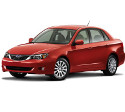 | 2. When replacing only two tires, the new ones go on the front. False: If you install the new tires on the front of the vehicle, the back tires may lose traction in wet conditions and cause the vehicle to spin out. This is true on all vehicle types including front wheel drive, rear wheel drive, all wheel drive, cars, trucks and SUVs. |
3. All vehicles come with a spare tireFalse: Many new cars are coming from the manufacturer without a spare tire. This allows them to save money and because many people don't know how to change a tire. Nearly 3/4 of drivers in a recent poll had experienced a flat tire. It is important to know whether your vehicle has a spare tire or one of the other systems provided by car manufacturers including run flat tires, tire inflaters or tire sealants. Knowing what solution your vehicle features before you have a flat with help minimize the inconvenience. Check your owners manual for specific flat tire procedures for your vehicle. Learn more about flat tires in our recent blog post Flat Tire Facts. | 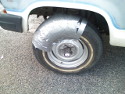 |
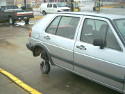 | 4. I can use any tire on my car as long as the size is the sameFalse: A lot more goes into picking the right tire for your car or light truck then just matching the size. You must also match the speed rating and load index that the manufacturer has chosen for your vehicle. The best place to find this information is on the door jam of your vehicle. |
5. My car has a tire pressure monitoring system (TPMS) so I do not have to ever check my tires air pressure False: The purpose of the TPMS sensors are to let you know when your vehicles tire pressure has dropped below a safe level. It may take up to a 25% drop in inflation pressure for your vehicles TPMS light to illuminate. The TPMS system is a safety system, not designed to maintain proper air pressure in your tires. Under-inflated tires were faster and reduce fuel mileage, be sure your tires always properly inflated. The Rubber Manufacturers Association (RMA) recommends visually inspecting your tires and checking your tire pressure on a monthly basis and before any road trips. | 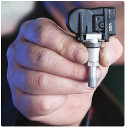 |
